Angkor Wat

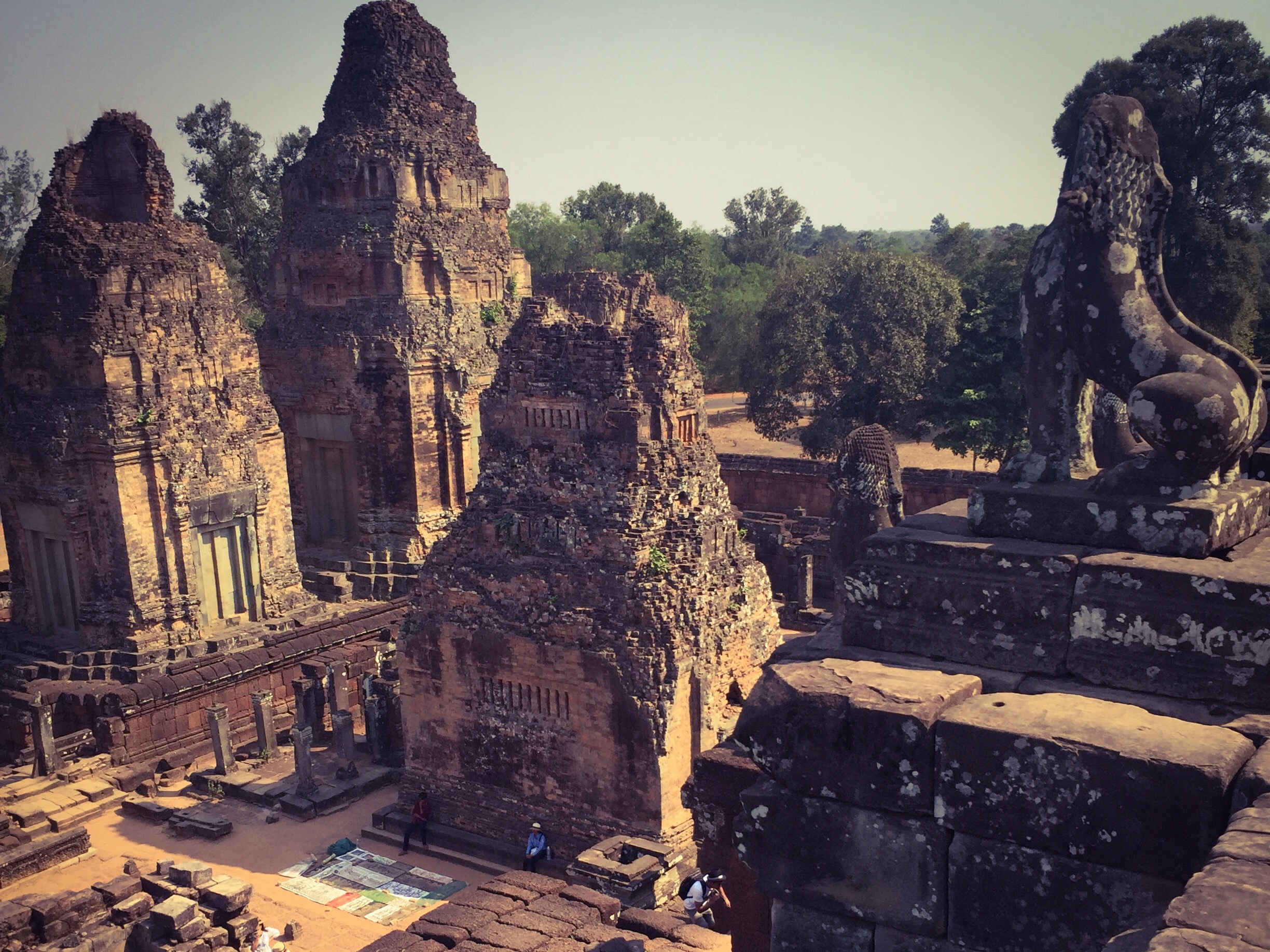
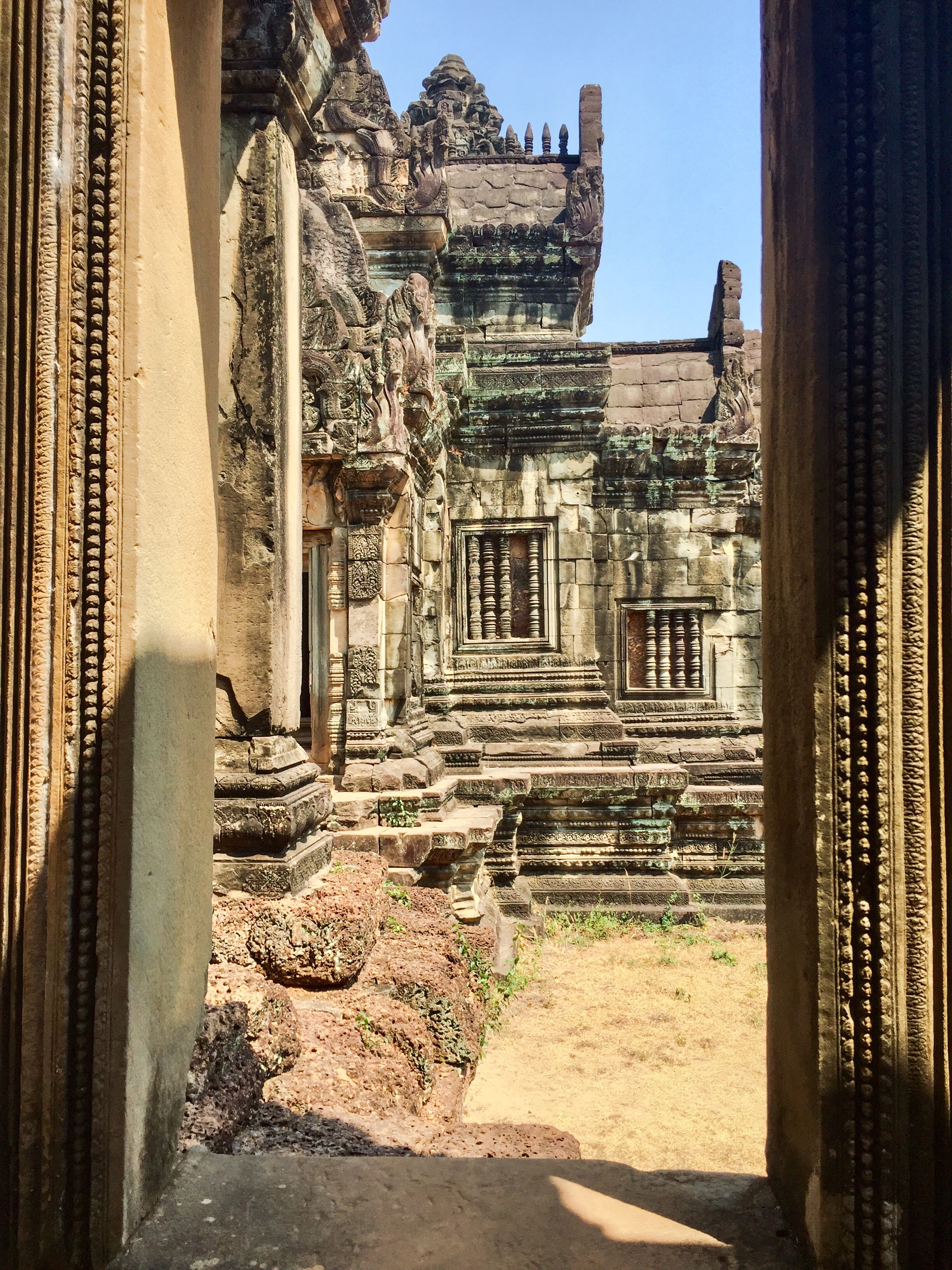
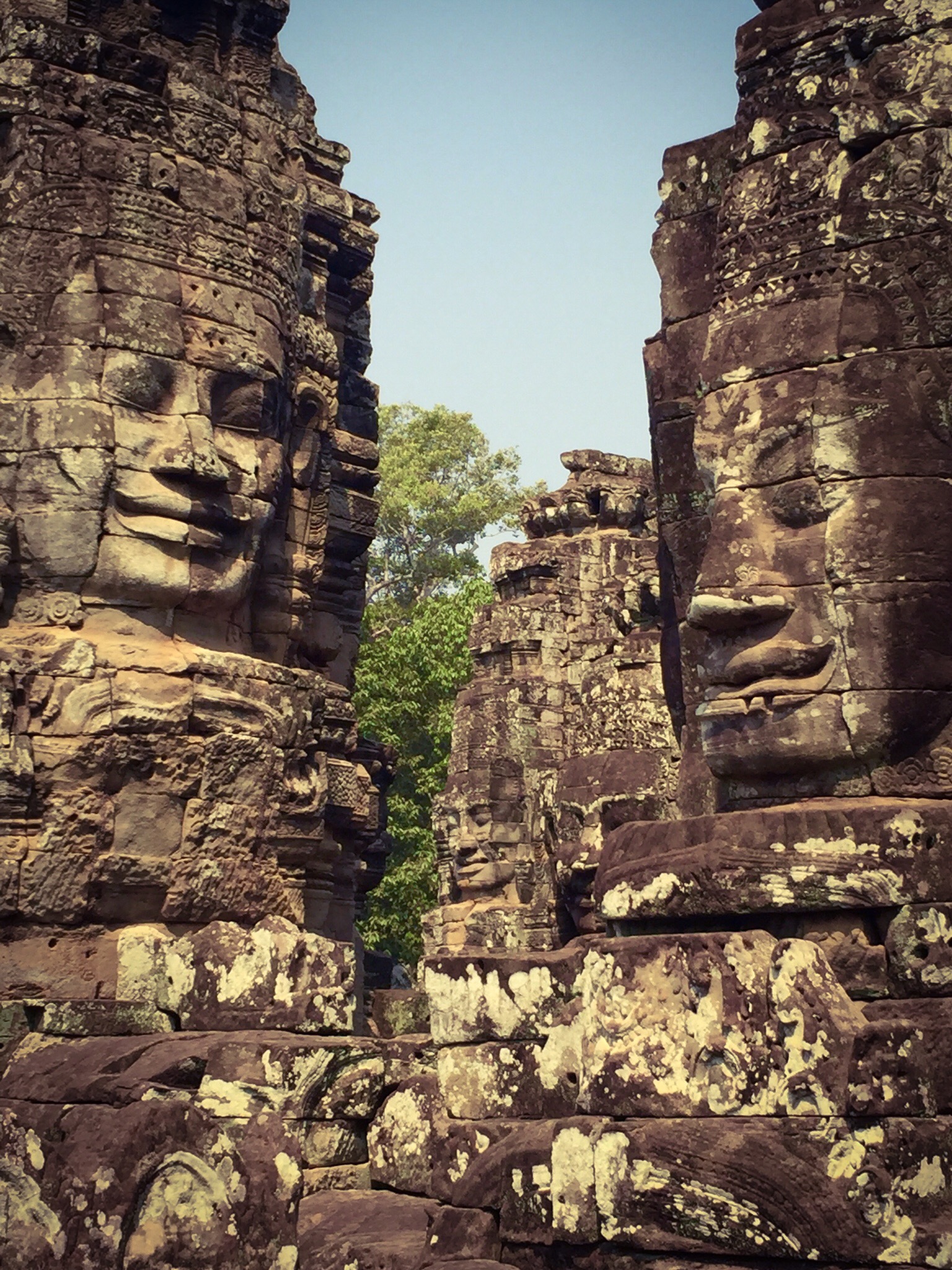
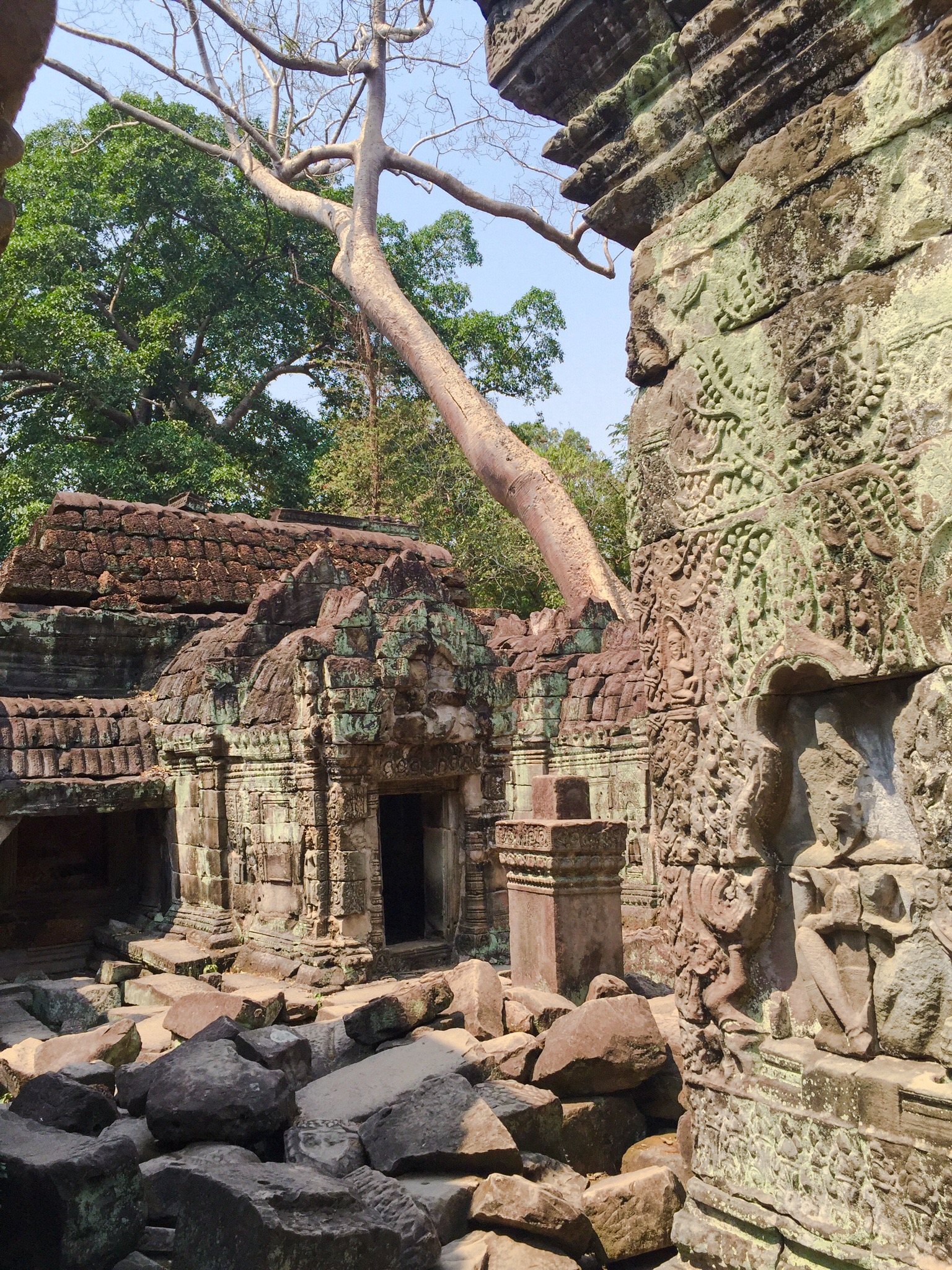
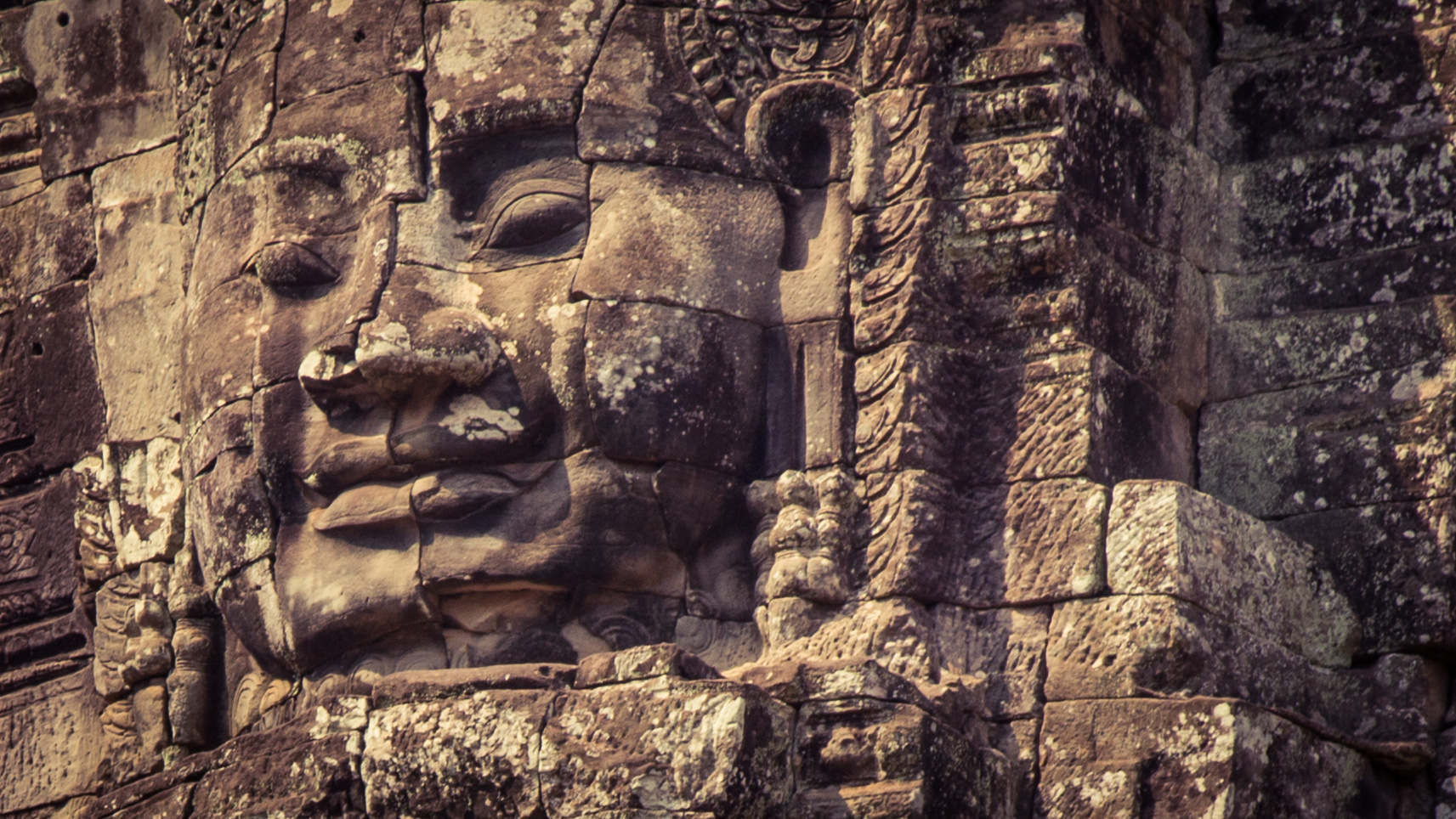
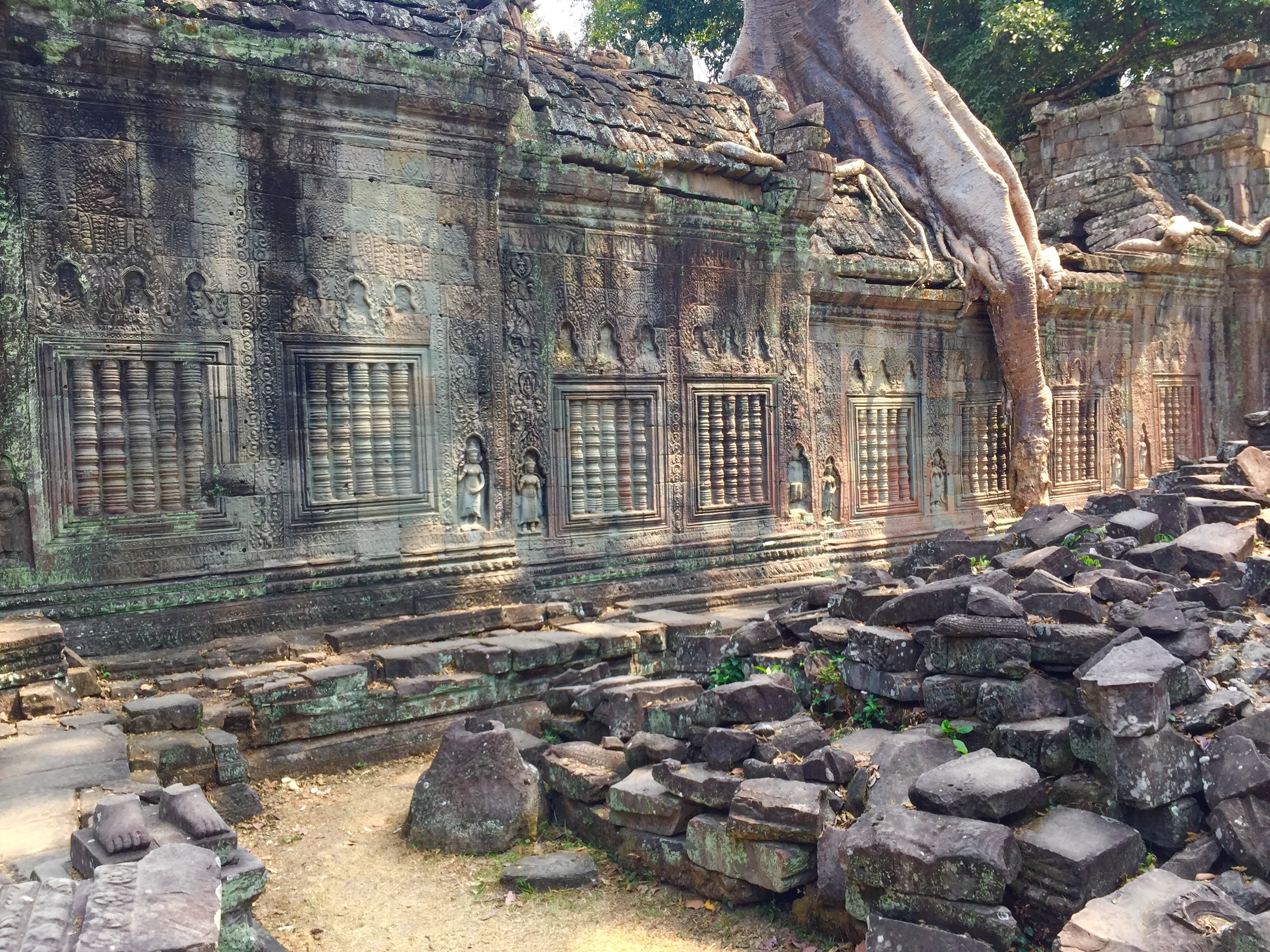
Angkor, in Cambodia’s northern province of Siem Reap, is one of the most important archaeological sites of Southeast Asia. It extends over approximately 400 square kilometres and consists of scores of temples, hydraulic structures (basins, dykes, reservoirs, canals) as well as communication routes. For several centuries Angkor, was the centre of the Khmer Kingdom. With impressive monuments, several different ancient urban plans and large water reservoirs, the site is a unique concentration of features testifying to an exceptional civilization. Temples such as Angkor Wat, the Bayon, Preah Khan and Ta Prohm, exemplars of Khmer architecture, are closely linked to their geographical context as well as being imbued with symbolic significance. The architecture and layout of the successive capitals bear witness to a high level of social order and ranking within the Khmer Empire. Angkor is therefore a major site exemplifying cultural, religious and symbolic values, as well as containing high architectural, archaeological and artistic significance.

The park is inhabited, and many villages, some of whom the ancestors are dating back to the Angkor period are scattered throughout the park. The population practices agriculture and more specifically rice cultivation.

Know Before You Go

The temples of Angkor are a sacred religious site, and visitors should dress appropriately. Shorts should be at least knee length, shoulders should be covered. Respect the 'No Entry' signs. They are there for your safety as well as for the protection of this UNESCO world heritage site. Don't climb all over the ruins. Ask politely if you wish to take photos of people, especially the monks. Do not litter. It's all about respect really.

You need a ticket to gain entry to the park. As prices do change, it's best that you check the official website here for the most up to date information.
Recommended Reading
History
  • When the War Was Over: Cambodia and the Khmer Rouge Revolution, by Elizabeth Becker
  • Pol Pot: Anatomy of a Nightmare, by Philip Short
  • When Clouds Fell from the Sky: A Disappearance, A Daughter's Search and Cambodia's First War Criminal, by Robert Carmichael
  • A History of Cambodia, by David Chandler
Fiction & Memoir
  • First They Killed My Father: A Daughter of Cambodia Remembers, by Loung Ung
  • Survival in The Killing Fields, by Haing Ngor
  • A Woman Of Angkor, by John Burgess
  • In the Shadow of the Banyan, by Vaddey Ratner
  • A Dragon Apparent, by Norman Lewis
Travel & Cooking
  • Lonely Planet Cambodia, by Nick Ray and Greg Bloom
  • To Cambodia with Love, by Twefic El-Sawy and Andy Brouwer
  • From Spiders to Water Lilies: Creative Cambodiann Cooking With Friends, by Friends International
  • Cambodian Cooking, by Joannes Riviere
  • Down and Out in South East Asia, by Alex Watts
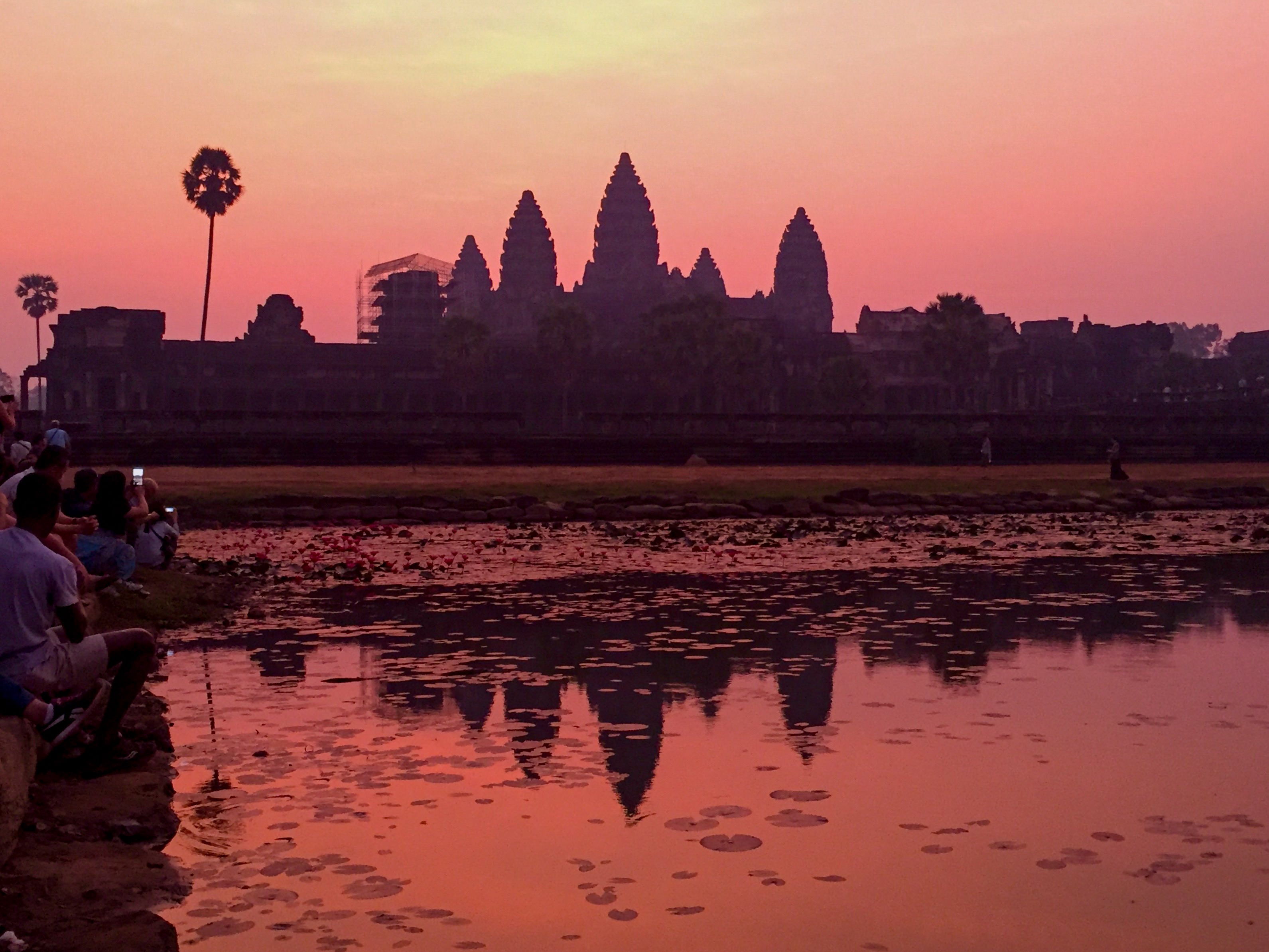
Angkor Wat at sunrise

Angkor Wat

Card image cap

Preah Khan

Pre Rup Temple

Pre Rup

Banteay Srei Temple

Banteay Srei

Card image cap

Bayon

Card image cap

Preah Khan

Cambodia Tours

Not up for doing Cambodia on your own? Maybe you're intimidated by the langauge barrier, not an experienced traveller, or just want someone else to handle the logistical details. Also sometimes tours just make sense financially.

Whatever your reason, I can personally vouch for these two companies. I myself have used them in the past. They use local guides. They offer various options for trip styles, which basically come down to how many creature comforts you need. They don't charge a single supplement as long as you are willing to share with another solo traveller of the same sex. Both Intrepid and G Adventures are big on supporting the local communities and businesses. I'll leave it for you to do your research and see if either fits the budget or appeals to your philosophy on travel.

Here are the links for Intrepid Travel and G Adventures.