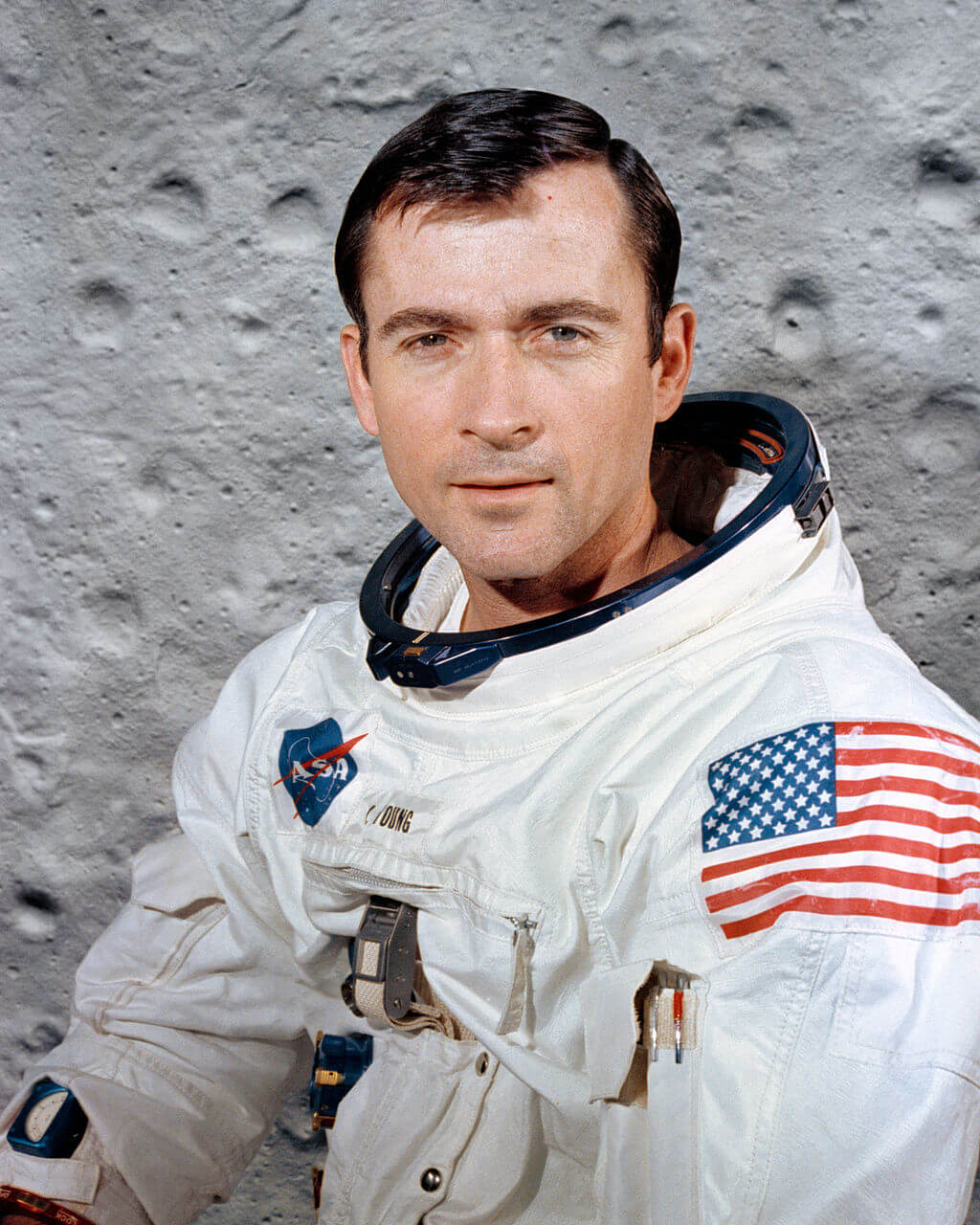
Young was born in San Francisco, California, on September 24, 1930, to parents William Hugh Young, a civil engineer, and Wanda Howland Young. At 18 months old, due to the Great Depression, he moved with his family to Cartersville, Georgia, then to Orlando, Florida. Young earned a Bachelor of Science degree with highest honors in Aeronautical Engineering from the Georgia Institute of Technology in 1952.
Young was an American astronaut, naval officer and aviator, test pilot, and aeronautical engineer. He became the ninth person to walk on the Moon as Commander of the Apollo 16 mission in 1972. Young enjoyed the longest career of any astronaut, becoming the first person to fly six space missions (with seven launches, counting his lunar liftoff) over the course of 42 years of active NASA service. He was the only person to have piloted, and been commander of, four different classes of spacecraft: Gemini, the Apollo Command/Service Module, the Apollo Lunar Module, and the Space Shuttle. Over the course of his prolific career, he earned more than 90 major awards and honorary degrees.
Honors & Awards: Awarded the Congressional Space Medal of Honor (1981), 4 NASA Distinguished Service Medals, NASA Outstanding Leadership Medal (1992), NASA Exceptional Engineering Achievement Medal (1987), NASA Outstanding Achievement Medal (1994), Navy Astronaut Wings (1965), 2 Navy Distinguished Service Medals, 3 Navy Distinguished Flying Crosses, the Georgia Tech Distinguished Young Alumni Award (1965), Distinguished Service Alumni Award (1972), the Exceptional Engineering Achievement Award (1985), the Academy of Distinguished Engineering Alumni (1994), and the American Astronautical Society Space Flight Award (1993), Distinguished Executive Award (1998), Rotary National Space Achievement Award (2000). Inducted into 6 Aviation and Astronaut Halls of Fame. Recipient of more than 80 other major awards, including 6 honorary doctorate degrees.
US Navy Test Pilot • Gemini • Apollo • Shuttle
He had the right stuff before we even had a name for it ~ Daniel Goldin
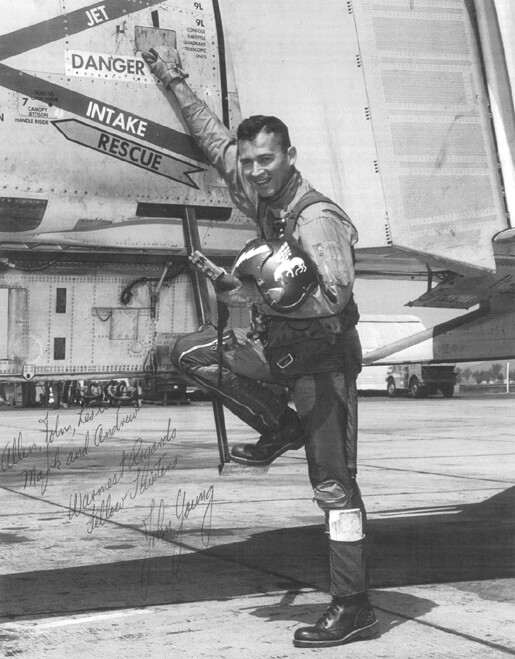
After graduating from Georgia Tech in 1952, Young entered the United States Navy through the Navy ROTC. He served as fire control officer on the destroyer USS Laws until June 1953 and completed a tour in the Sea of Japan during the Korean War. Following this assignment, he was sent to flight training. Fellow astronaut Charles Bolden described Young and Robert "Hoot" Gibson as the two best pilots he had met during his aviation career: "Never met two people like them. Everyone else gets into an airplane; John and Hoot wear their airplane. They're just awesome"
Commander John W. Young, United States Navy, with a McDonnell F4H-1
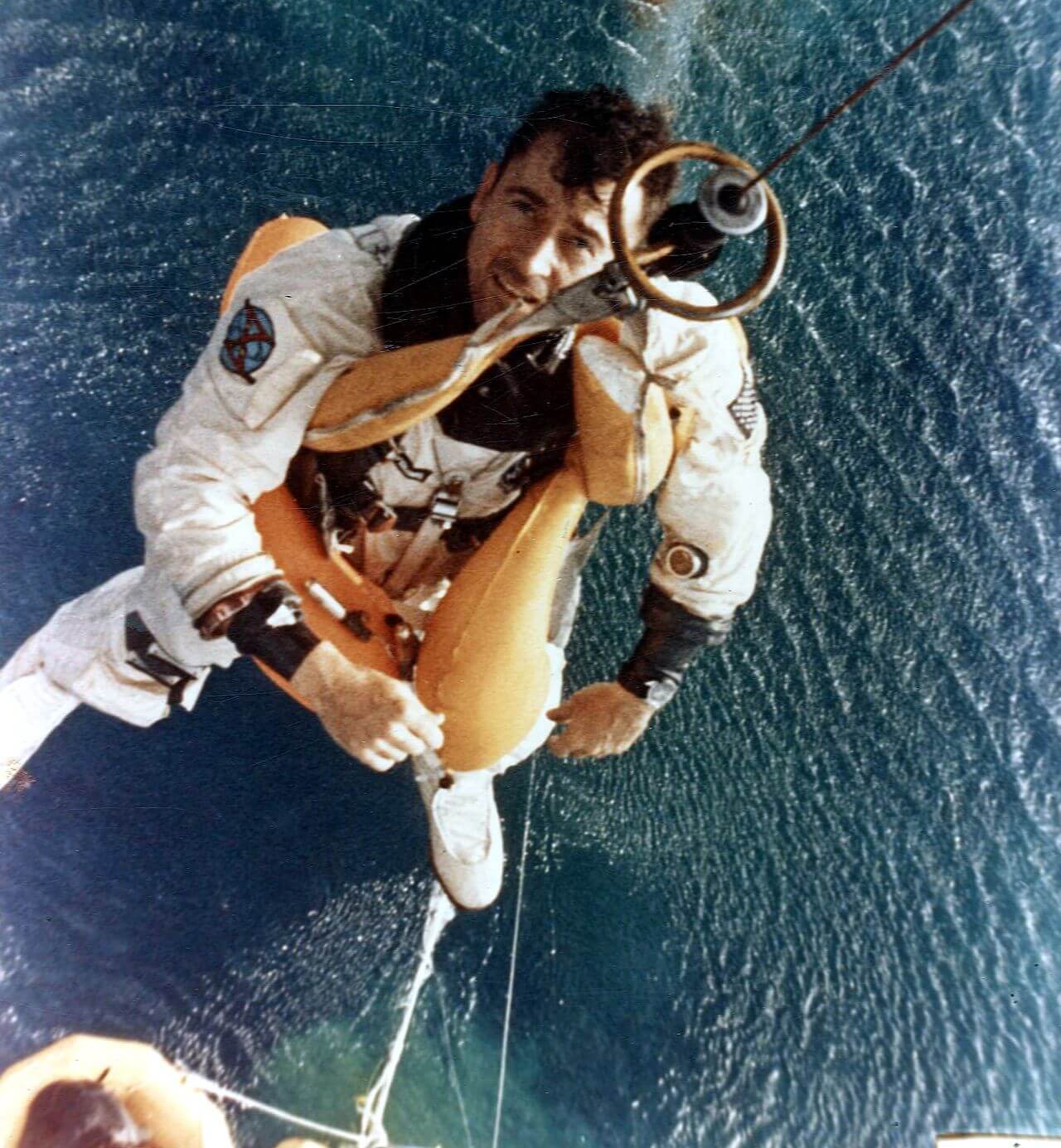
Young following splashdown of Gemini 10
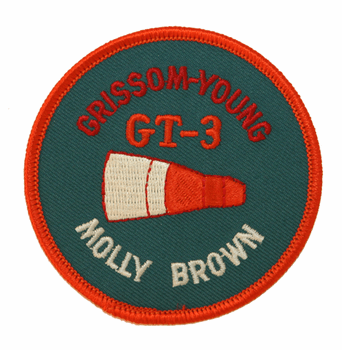
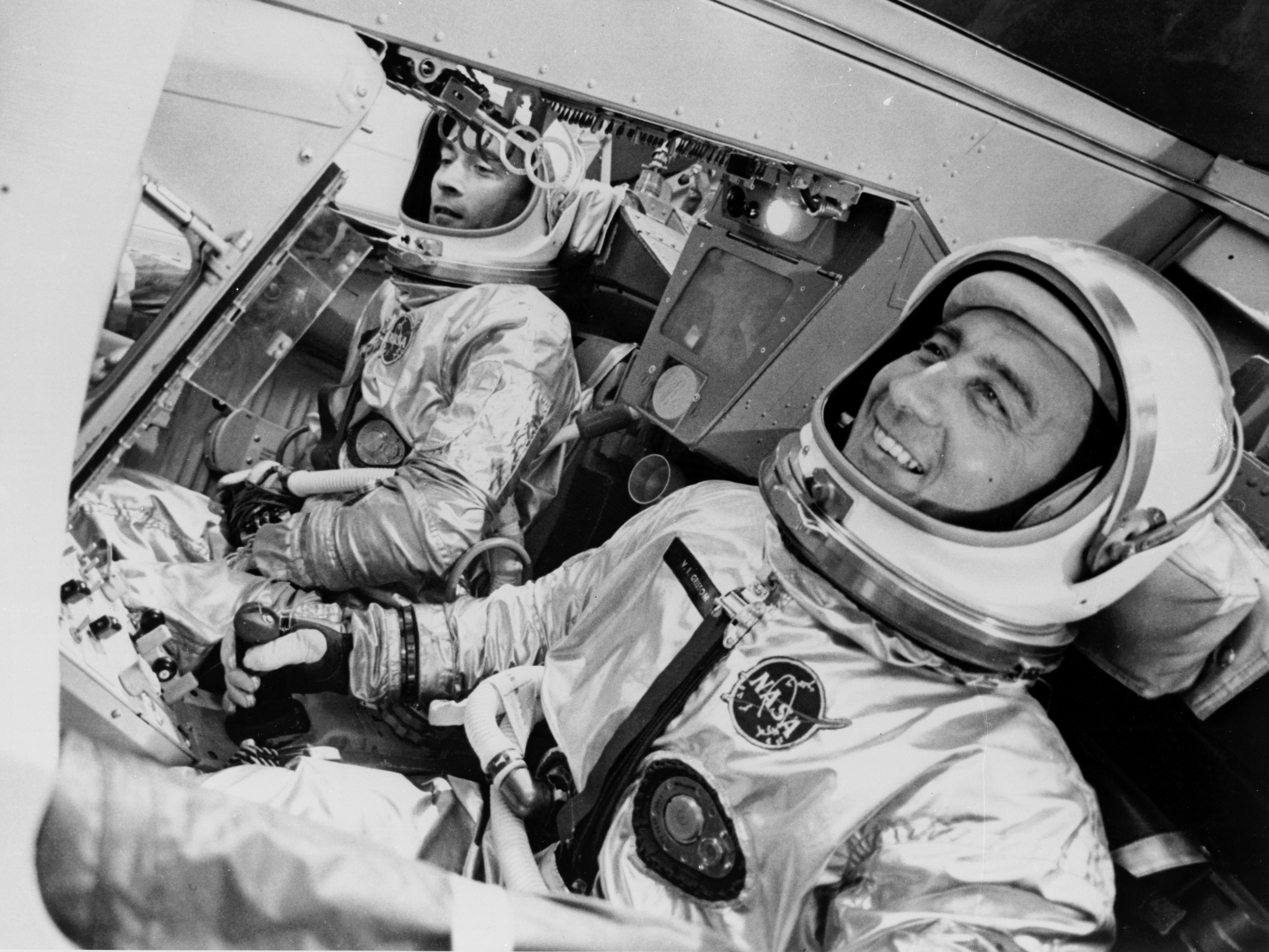
Joining NASA in 1962, Young was the first of the Astronaut Group 2 to fly in space, replacing Thomas P. Stafford as pilot of Gemini 3 when Alan Shepard, the original command pilot, was grounded due to Ménière's disease. Making the first manned flight of the Gemini spacecraft with Gus Grissom in 1965, Young scored another space first by smuggling a corned beef sandwich onto the spacecraft—a feat for which he was reprimanded. Some members of the US House of Representatives were not pleased about the stunt, claiming that Young cost tax payers millions of dollars by disrupting a scheduled test of space food during the flight.
Wanna read more about the corned beef contraband? Click here.
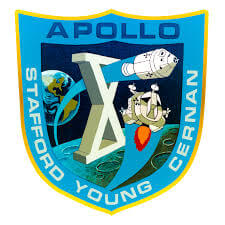
In 1966, Young was assigned to an Apollo crew as Command Module pilot, with Commander Thomas Stafford and Lunar Module pilot Eugene Cernan. This crew was assigned as backup to the second manned Apollo mission, planned before the Apollo 1 fire. After that fire, both crews were assigned to the first actual manned mission, Apollo 7, which flew in October 1968. In May 1969, this crew flew to the Moon on Apollo 10. While Stafford and Cernan flew the Lunar Module in lunar orbit for the first time, Young flew the Command Module solo. Apollo 10 set the record for the highest speed attained by any manned vehicle at 39,897 kilometres per hour (24,791 mph) during its return to Earth on May 26, 1969.
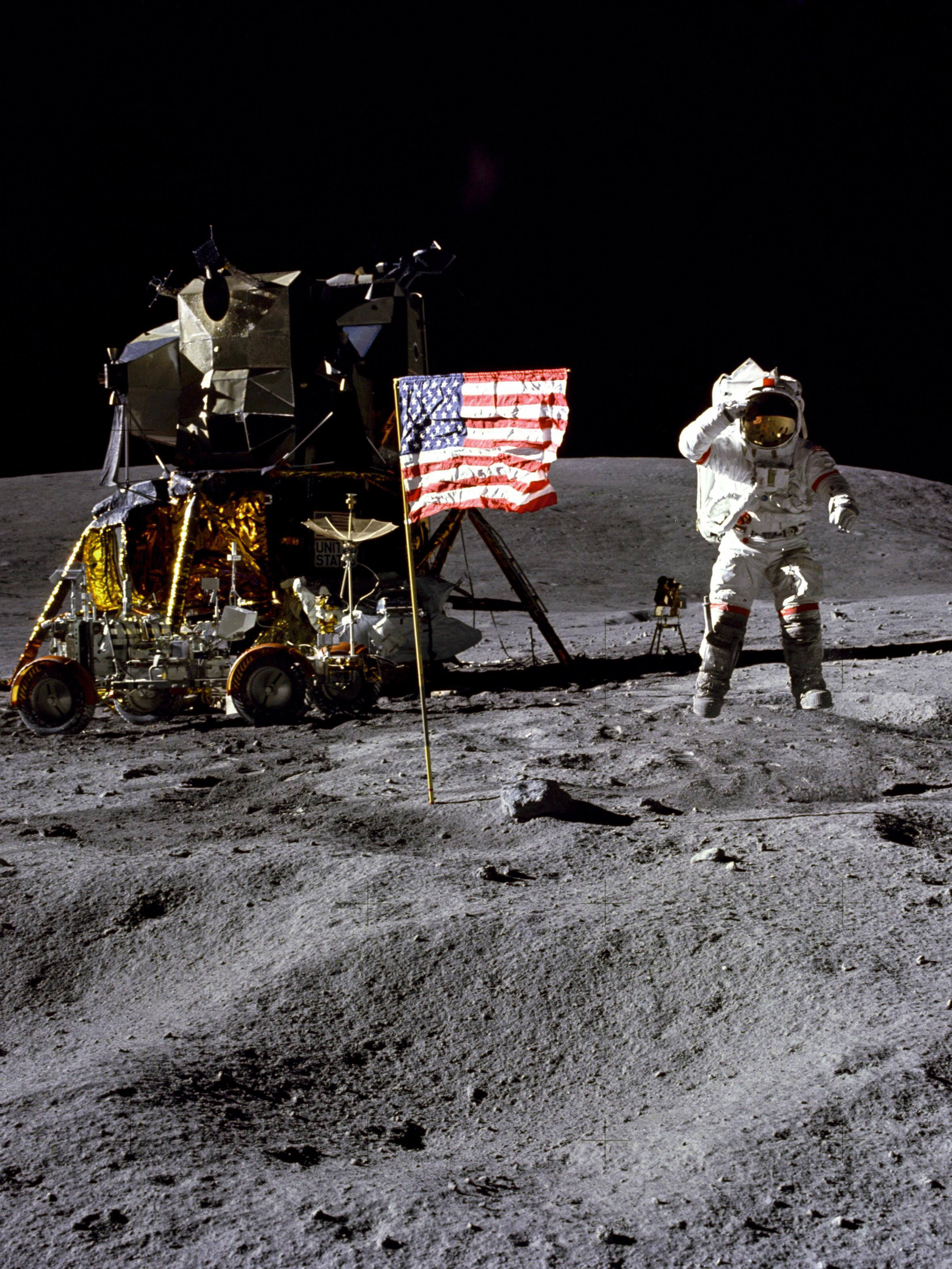
By rotation, Young became commander of Apollo 16, and studied geology with his crew while preparing for the mission. Apollo 16's lunar landing was almost aborted when a malfunction was detected in the SPS engine control system in the Service Module. It was determined that the problem could be worked around, and the mission continued. On the surface, Young took three moonwalks in the Descartes Highlands with Charles Duke on April 21, 22 and 23, 1972, making Young the ninth person to walk on the surface of the Moon, while Ken Mattingly flew the Command Module in lunar orbit.
Young's final assignment in Apollo was as the backup commander for Cernan on Apollo 17. The backup crew was originally the Apollo 15 crew, but Deke Slayton removed them from the assignment when he learned they had taken a small statue to the moon, as well as stamps that they sold to a dealer.
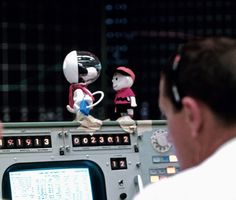
Snoopy and Charlie Brown dolls on top of a console in the Mission Operations Control Room during Apollo 10's Lunar Orbit.
What's with the Snoopy toys, you ask? Well 'Snoopy' was the name given to the Lunar Module of Apollo 10. The name referred to the fact that the LM would be “snooping” around the lunar surface in low orbit. If you're curious about the what and why of Apollo call signs, you can read more about them here.
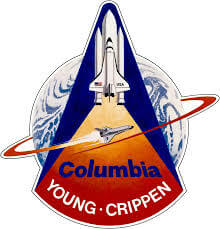
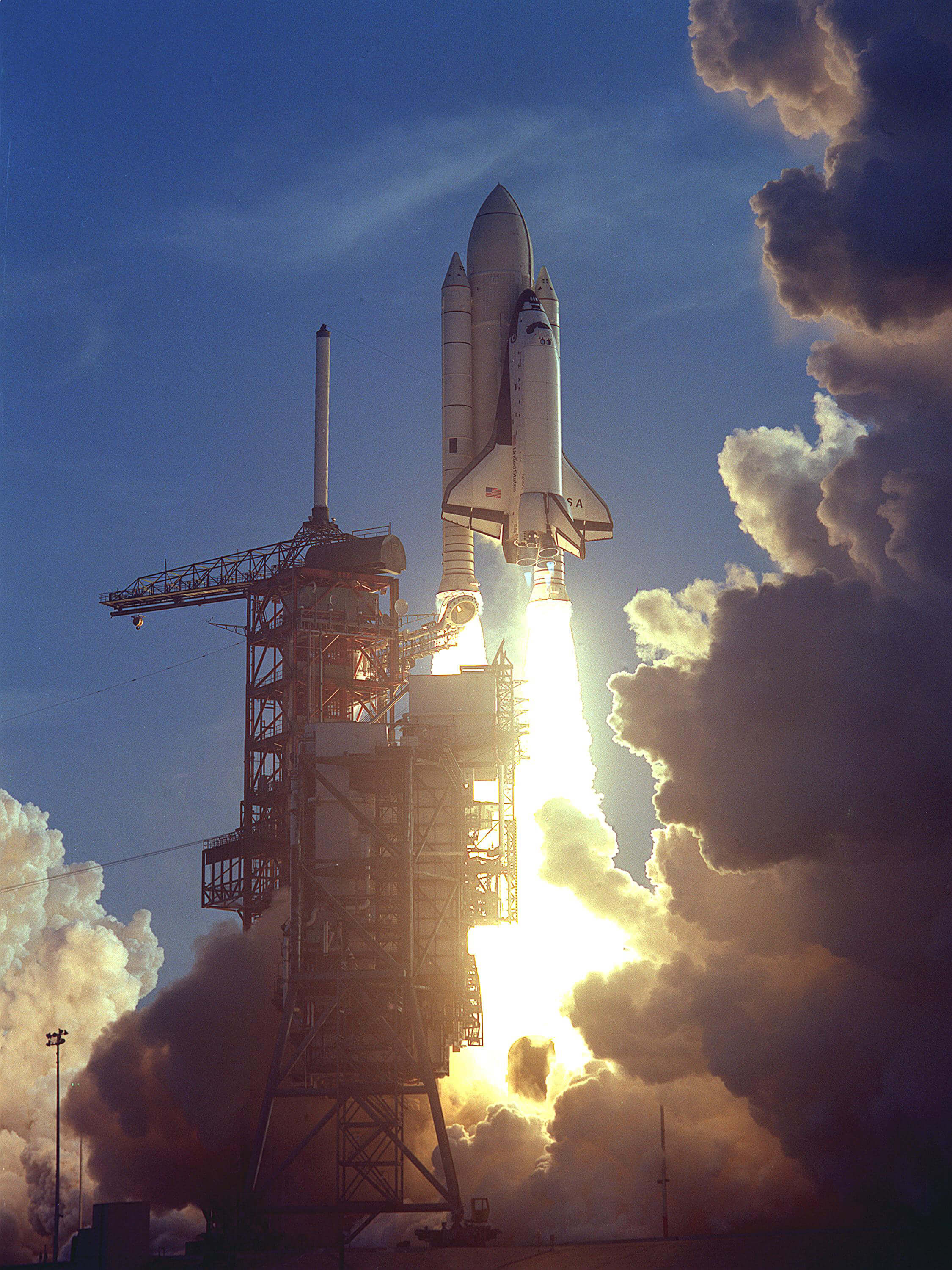
Young flew two missions of the Space Shuttle, both aboard the Space Shuttle Columbia. He commanded the program's 1981 maiden orbital flight, STS-1, and in 1983 commanded STS-9, which carried the first Spacelab module. In 1986 he was in line to make a record seventh space flight on STS-61-J to deploy the Hubble Space Telescope, but the Challenger disaster earlier that year had delayed NASA's schedule.
Young was openly critical of NASA management following the Challenger disaster, and in April 1987 was made Special Assistant to JSC Director Aaron Cohen for Engineering, Operations and Safety. NASA denied that his criticism triggered the move, although Young and industry insiders believed that was the reason for the reassignment.[34][35] In February 1996, he was assigned as Associate Director
During his NASA career, Young logged more than 15,000 hours of training, mostly in simulators, to prepare for positions on eleven spaceflights in prime and backup crew positions.
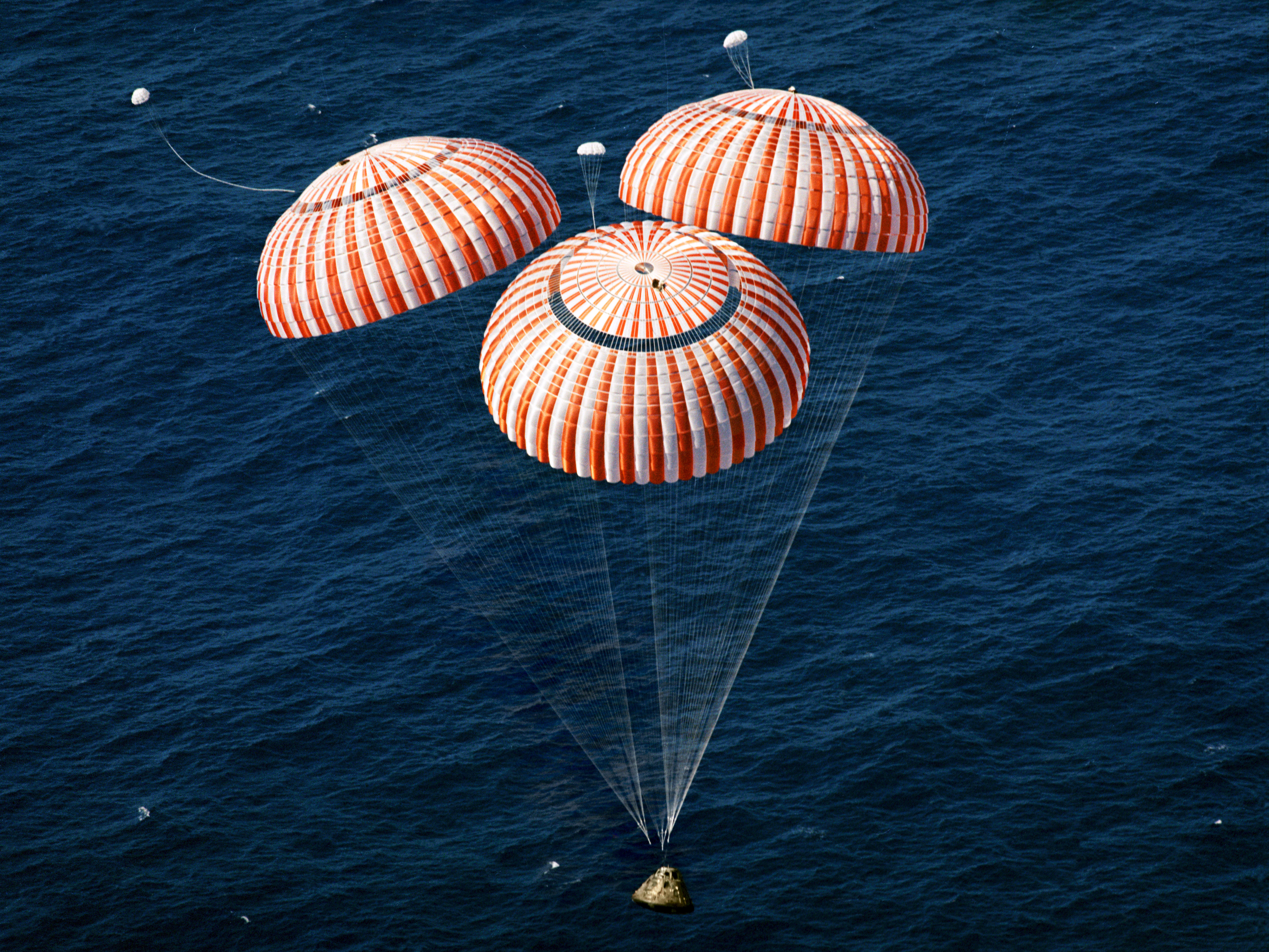
The Apollo 16 Command Module, with astronauts John W. Young, Thomas K. Mattingly II, and Charles M. Duke Jr. aboard, approaching touchdown in the Pacific Ocean to conclude their lunar landing mission on April 27, 1972.On March 23, 1965, astronauts Virgil I. “Gus” Grissom and John W. Young participated in the first crewed Gemini flight, Gemini III. This photo was taken of the two pilots in the spacecraft simulator at the McDonnell plant in St. Louis, Missouri.John Young salutes the U.S. flag at the Descartes landing site during the first Apollo 16 extravehicular activity (EVA-1). Photo by Charles M. Duke Jr., lunar module pilot.April 12, 1981. The first shuttle mission soars into orbit from NASA's Kennedy Space Center in Florida, with John Young in command. See the live video footage of John Young landing STS-1 here.
The greatest enemy of progress is the illusion of knowledge ~ John Young
The World Reflects On His Passing
Why do I get all saddened to no end when one of those involved in the Apollo Program passes? Maybe because whether it's Moonwalker Buzz Aldrin or Mathematician Katherine Johnson, we're talking about people who gave it their very all, often creating from scratch the needed science, technology, and procedures to get to the Moon, sacrificing a lot along the way. And in the end, they did what was never done before and has not been done since - bring Earth's population together in feeling the pride of accomplishing something for ALL of humankind. Yes, the Moon Landing was largely a political thing, but that doesn't detract from the end result - only on July 20, 1969 has nearly the entire world pumped their fists in the air and exclaimed, "WE did it!" Not many people can lay claim to such a thing - bringing unity to the planet as a whole! ~ Alex Esguerra
John Young was at the forefront of human space exploration with his poise, talent, and tenacity. He was in every way the 'astronaut’s astronaut.' We will miss him. ~ Robert Lightfoot
Rest In Peace John Young. You were one of my heroes as an astronaut and explorer and your passion for space will be missed. ~Terry Virts
John Young is one of my heroes, an astronaut's astronaut, a fearless individual and a good friend. Godspeed. ~ Chris Hadfield
John was more than a good friend; he was a fearless patriot whose courage and commitment to duty helped our Nation push back the horizon of discovery at a critical time. To us, he represented the best in the American spirit — always looking forward, always reaching higher...May his memory serve to inspire future generations of explorers to dare greatly, act boldly, and serve selflessly ~ George H. W. Bush